got to blame that on hamas and the people who keep voting them in.
They were voted in once - in 2006.
Elections to the Palestinian Legislative Council and presidency, respectively scheduled for 22 May and 31 July, have been postponed indefinitely – and effectively cancelled. What happened Palestinian Authority president Mahmoud Abbas announced on Thursday that the elections, which would have...

www.lfi.org.uk
In a speech during President Biden’s visit to Israel last week, he urged the nation’s military to do all it can to minimize civilian casualties in its war with Hamas. “The vast majority of Palestinians are not Hamas,” he said. “Hamas does not represent the Palestinian people.”
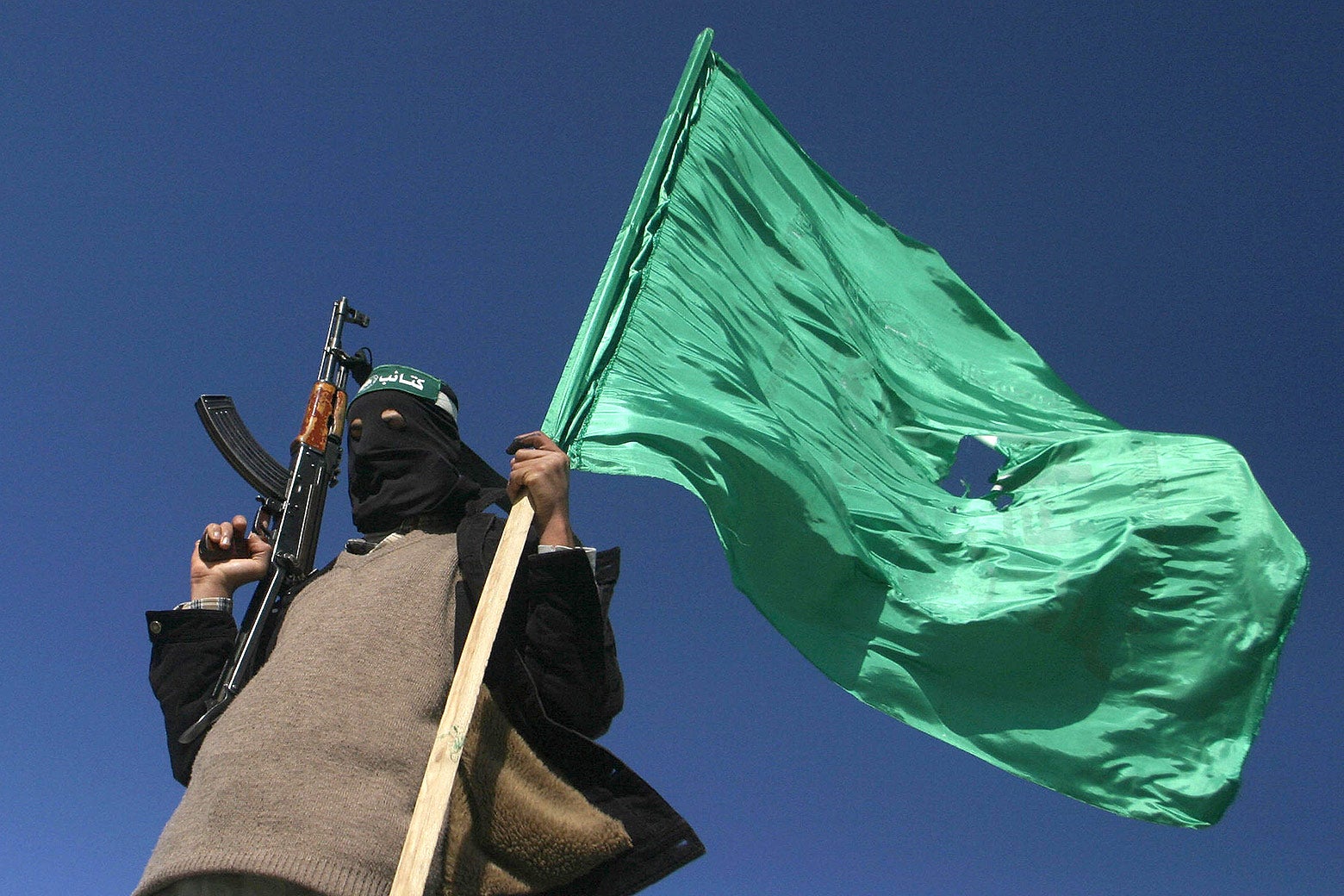
How did Hamas come to power in Gaza in the first place? That history is worth revisiting now, two and a half weeks into the war, as it tests whether Biden’s point is true.
It was in January 2006 that the Palestinian territories held what turned out to be their last parliamentary elections. Hamas won a bare plurality of votes (44 percent to the more moderate Fatah party’s 41 percent) but, given the
electoral system, a strong majority of seats (74 to 45). Neither party was keen on sharing power. Fighting broke out between the two. When a unity government was finally formed in June 2007, Hamas broke the deal, started
murdering Fatah members, and, in the end, took total control of the Gaza Strip. Those who weren’t killed fled to the West Bank, and the territories have remained split ever since.
In other words, Hamas’ absolute rule of Gaza is not what the Palestinians voted for back in 2006. In fact, since the median age of Gazans is 18, half of Hamas’ subjects weren’t even born when the election took place. Since they have known no alternative, have absorbed little information but Hamas propaganda, and have witnessed periodic outbursts of violent conflict with Israel throughout their lives, it is impossible to know what they really think about their rulers.
Continues in the link...
In Bush’s naïveté about the magic of elections, he ignored a crucial point about democracy.

slate.com